
Step three
Story
Strategy
Stories create narratives
—Narrative Initiative
Tactics
Movement journalism
We can change the story people tell of civil society by telling stories of community, empathy and resilience that put a different picture in the minds of our audience. That picture should show what it looks like to act on our values. Once we know, we can start to look for those stories. We can elevate and amplify those stories.
We can also create those kind of moments with our activists and community members. We can ask our supporters to make them happen. And we can find new allies and partners to help us tell and create those stories.
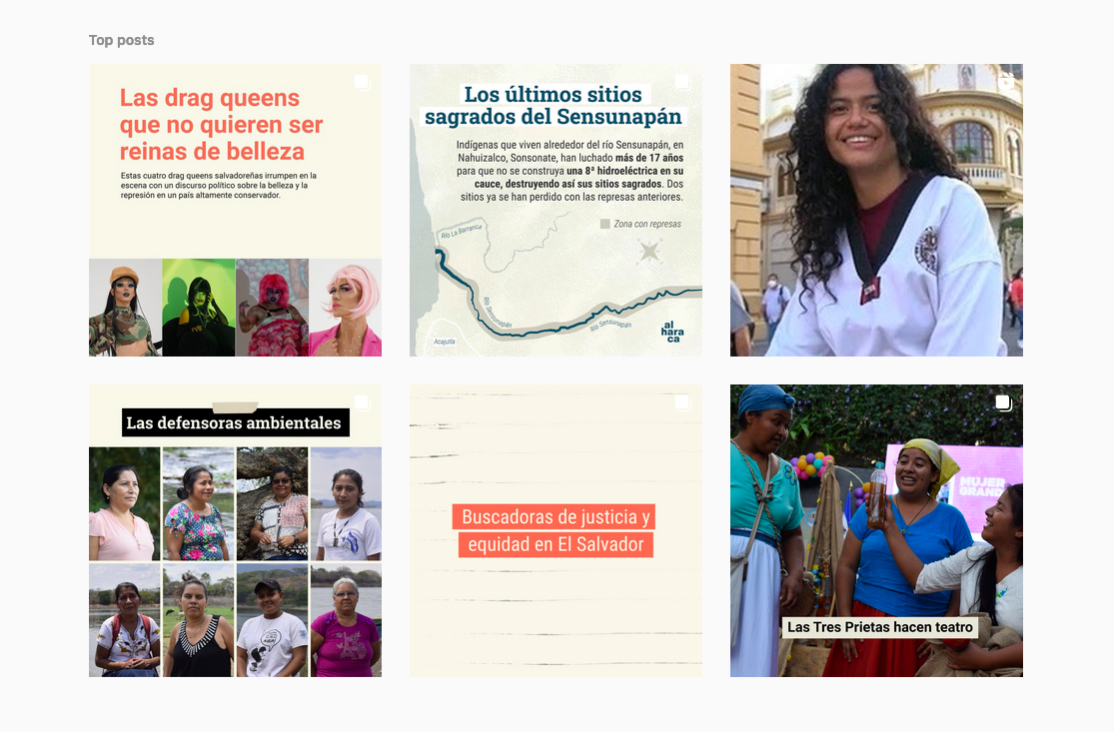
In El Salvador, we worked with activists to think of those images. The next step was to make sure those stories are told.
Strategic approach
Utopias exist
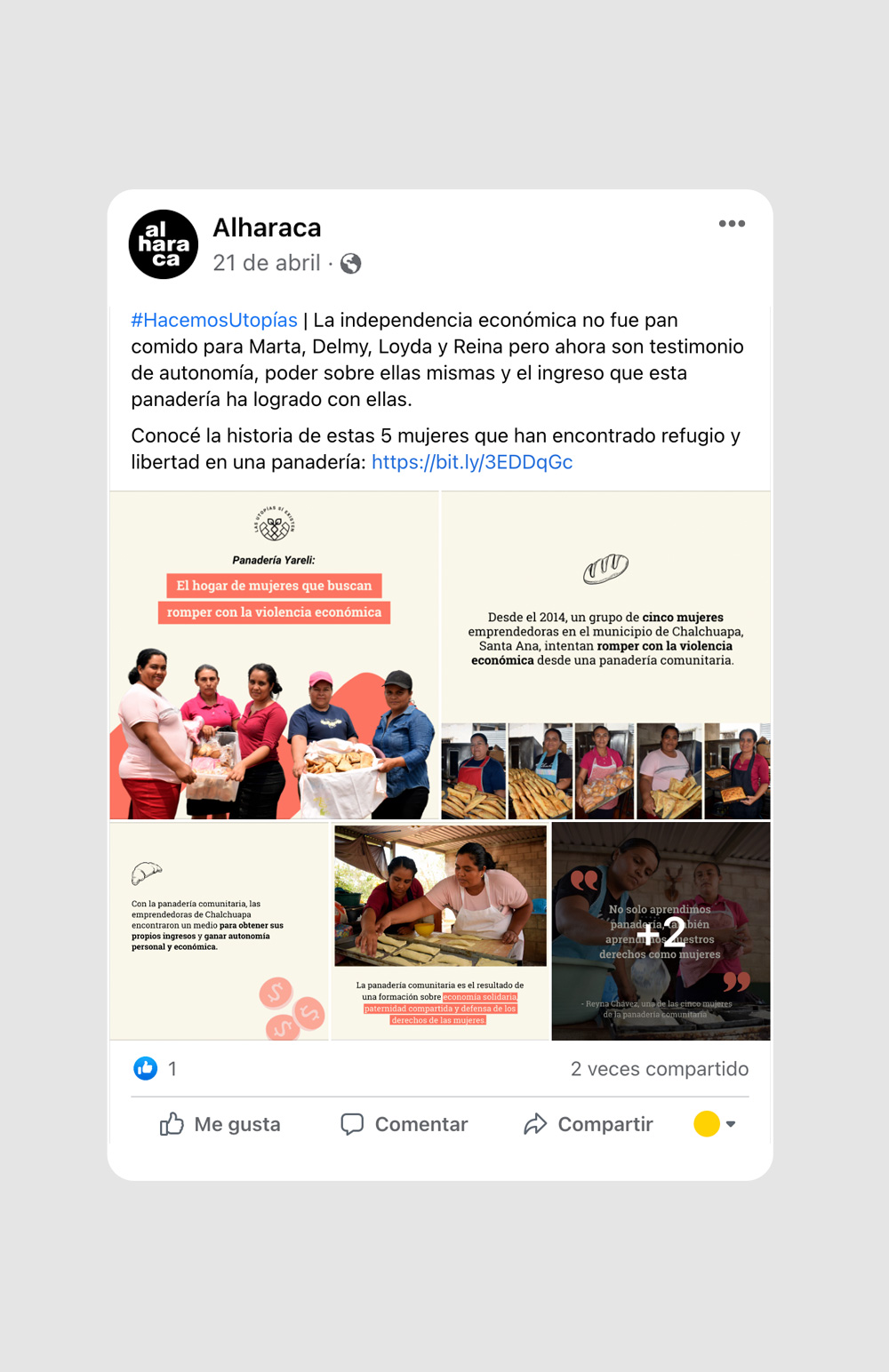
Bakers
People want to see stories of hard-working people who follow the right path and achieve something.
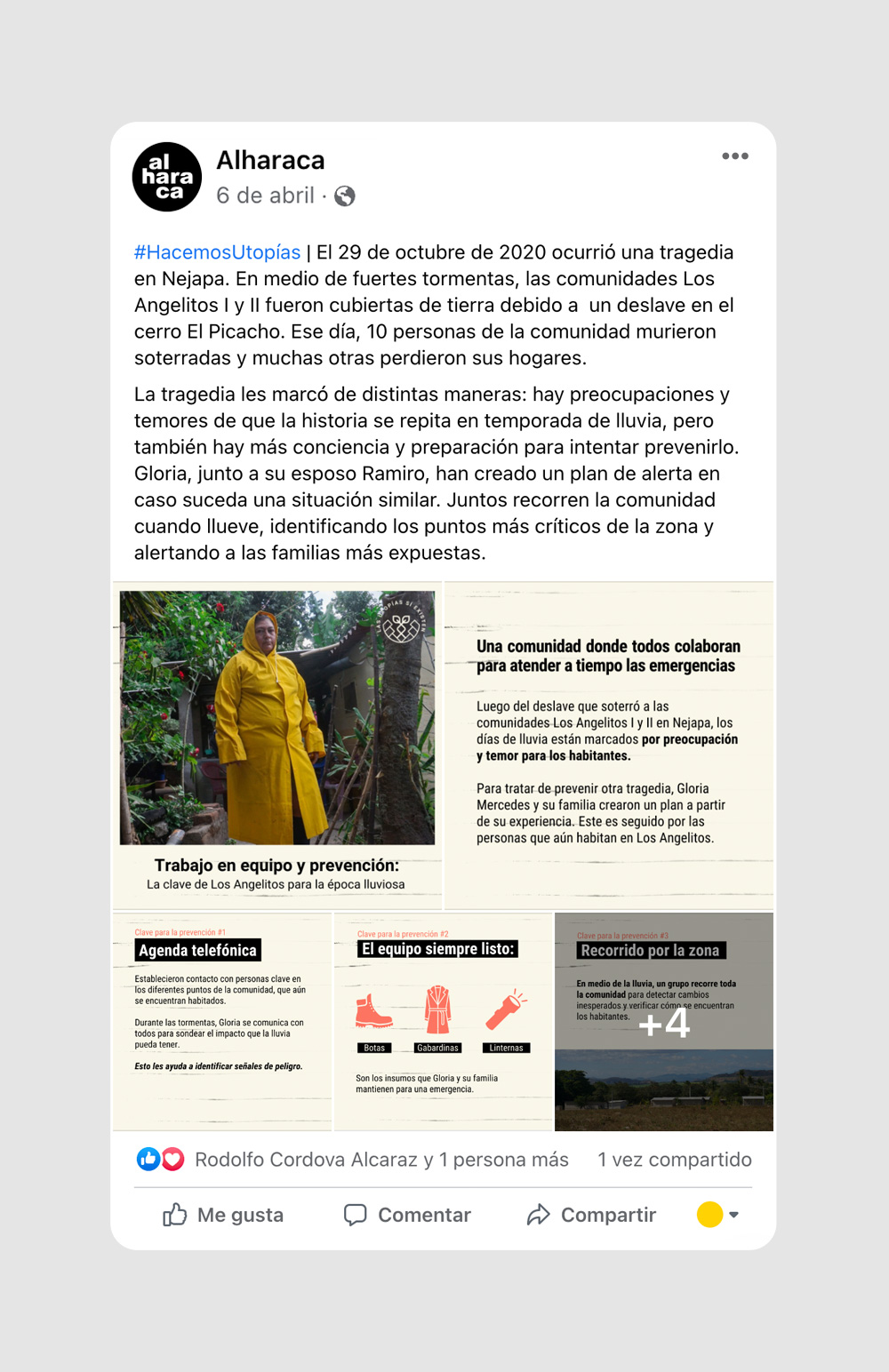
Angelitos
The people of the community are the ones who tell their story. It is a way of showing how we are all civil society.
The basic brief was to produce hopeful content about civil society that we could use to test pro-civil society messages with a view to exposing more people to the reality of what it means to be a part of civil society—in other words, to show that civic engagement and citizen participation are really normal and common things in society. Alharaca produced all the content for its own website and channels, and we later used it for testing on our own brand channel.
Apart from guidance about the narrative we are trying to reinforce, we gave the reporters space to explore different storytelling approaches. They chose an overall theme of “Utopias Exists,”, under which they grouped stories around four loose themes: build, hope, rebirth and resistance. They felt that stories under the “build” theme were the strongest, drawing much more constructive engagement from readers. People want to see stories of people who follow the “right path”, we are around hard-working people who achieve something.
Alharaca produced a broad range of content to work across different platforms, with a focus on Facebook as the most used platform in the country. They told stories like Los Angelitos, who in the absence of the state showed agency to organize themselves, environmentalists or simply a Taekwondo school teaching self-defense. They experimented with different formats and found videos to generate with more reach and engagement. Carousels mixing images, design, advice and generally deepening storytelling also worked well.
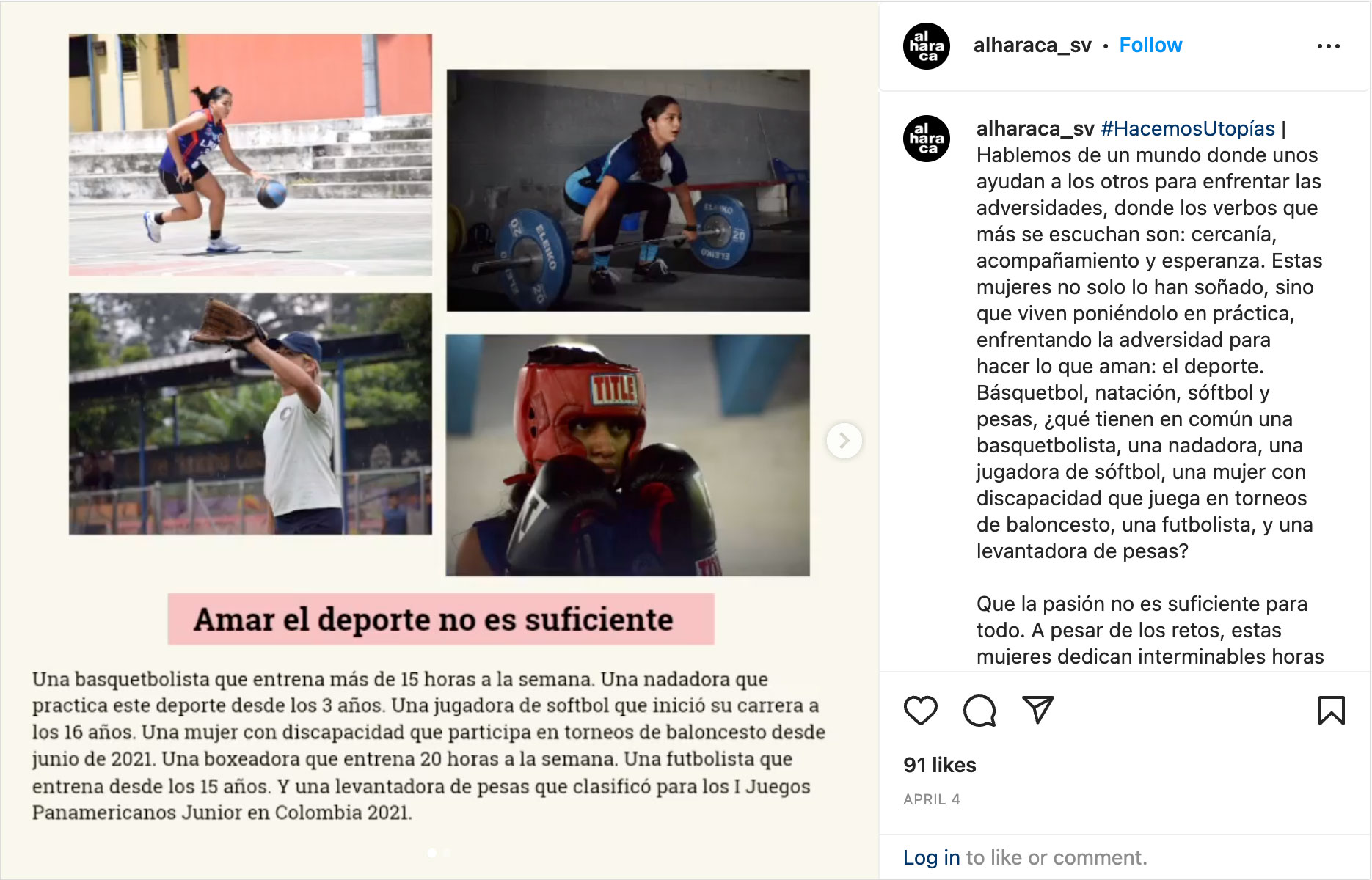


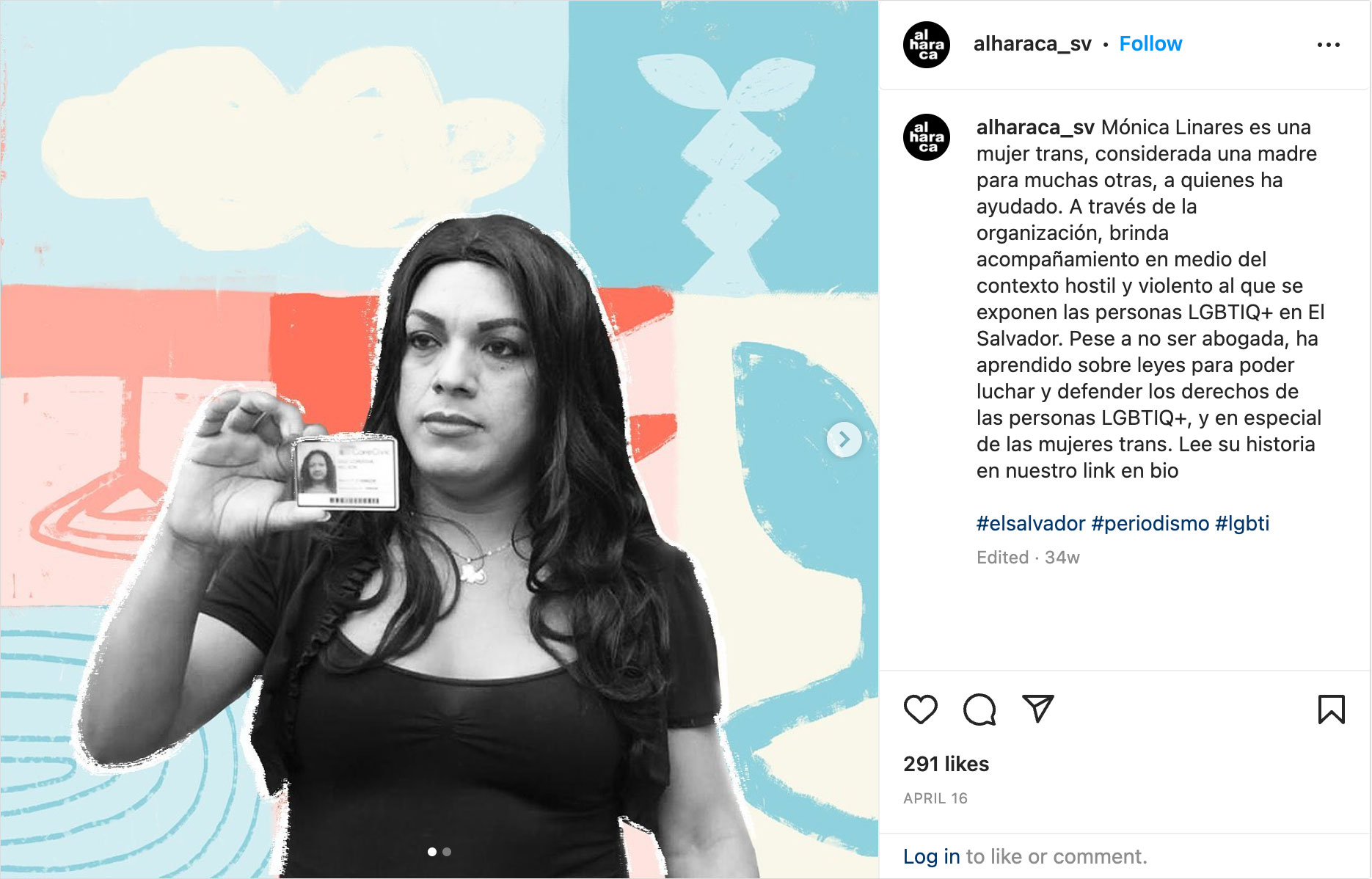

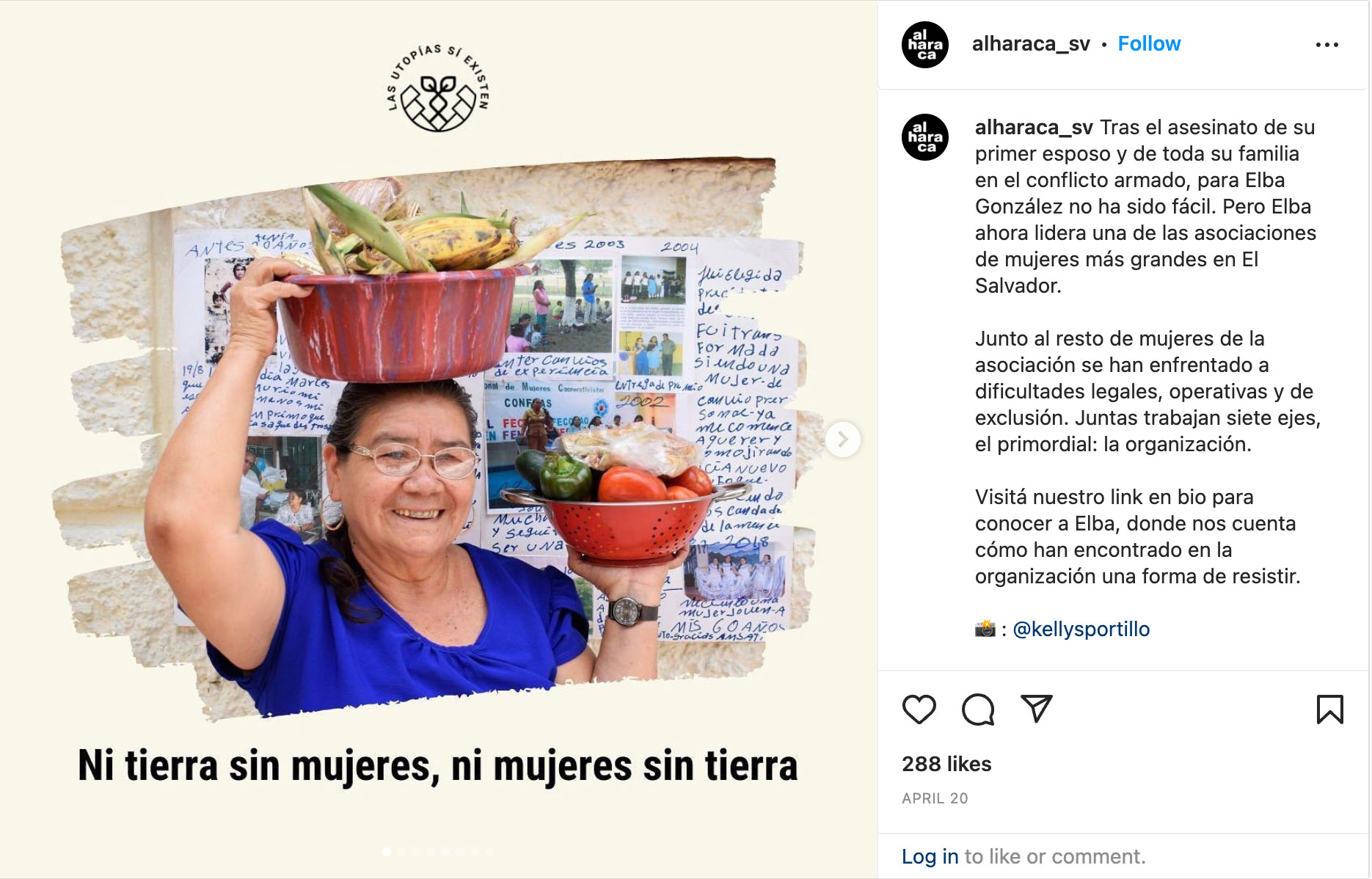


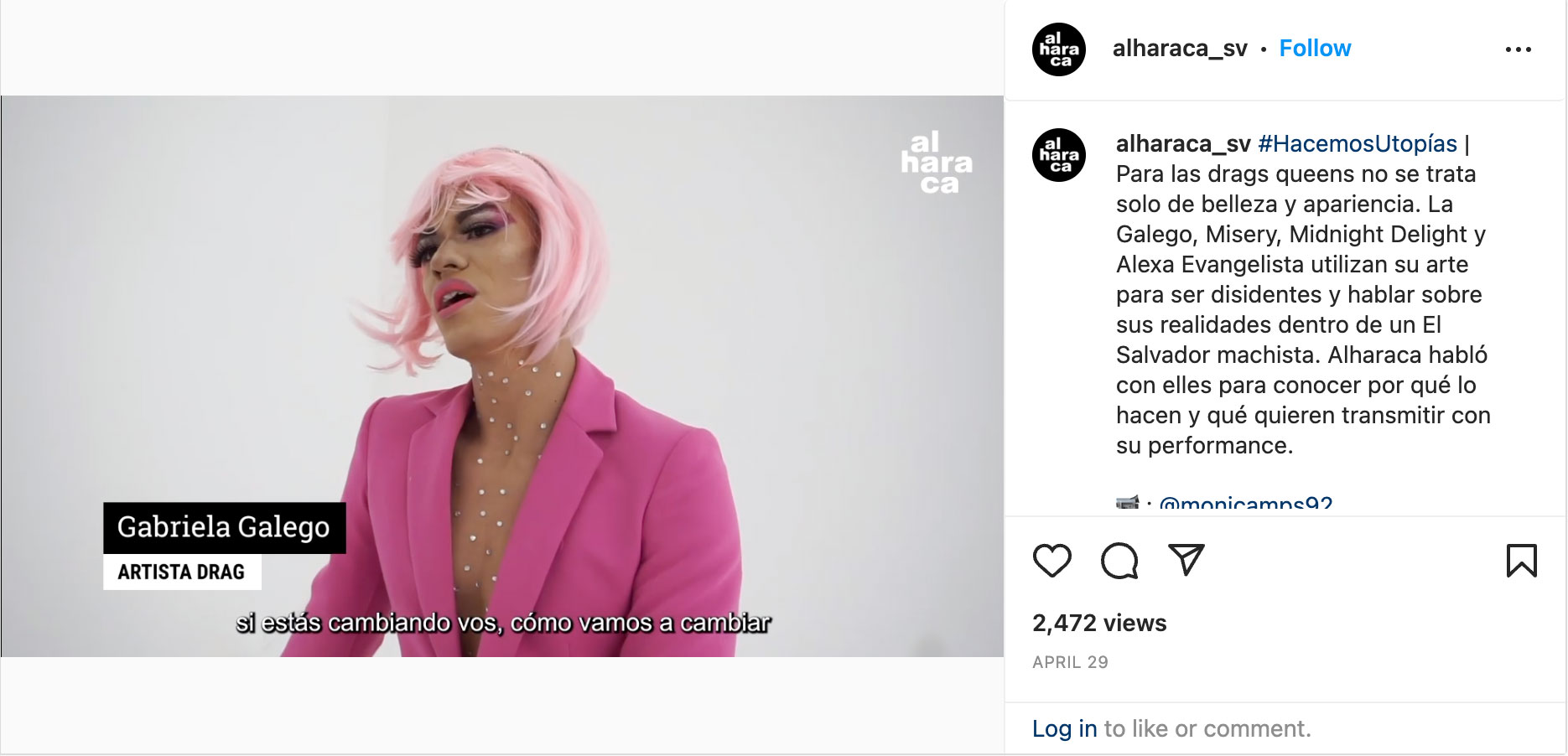
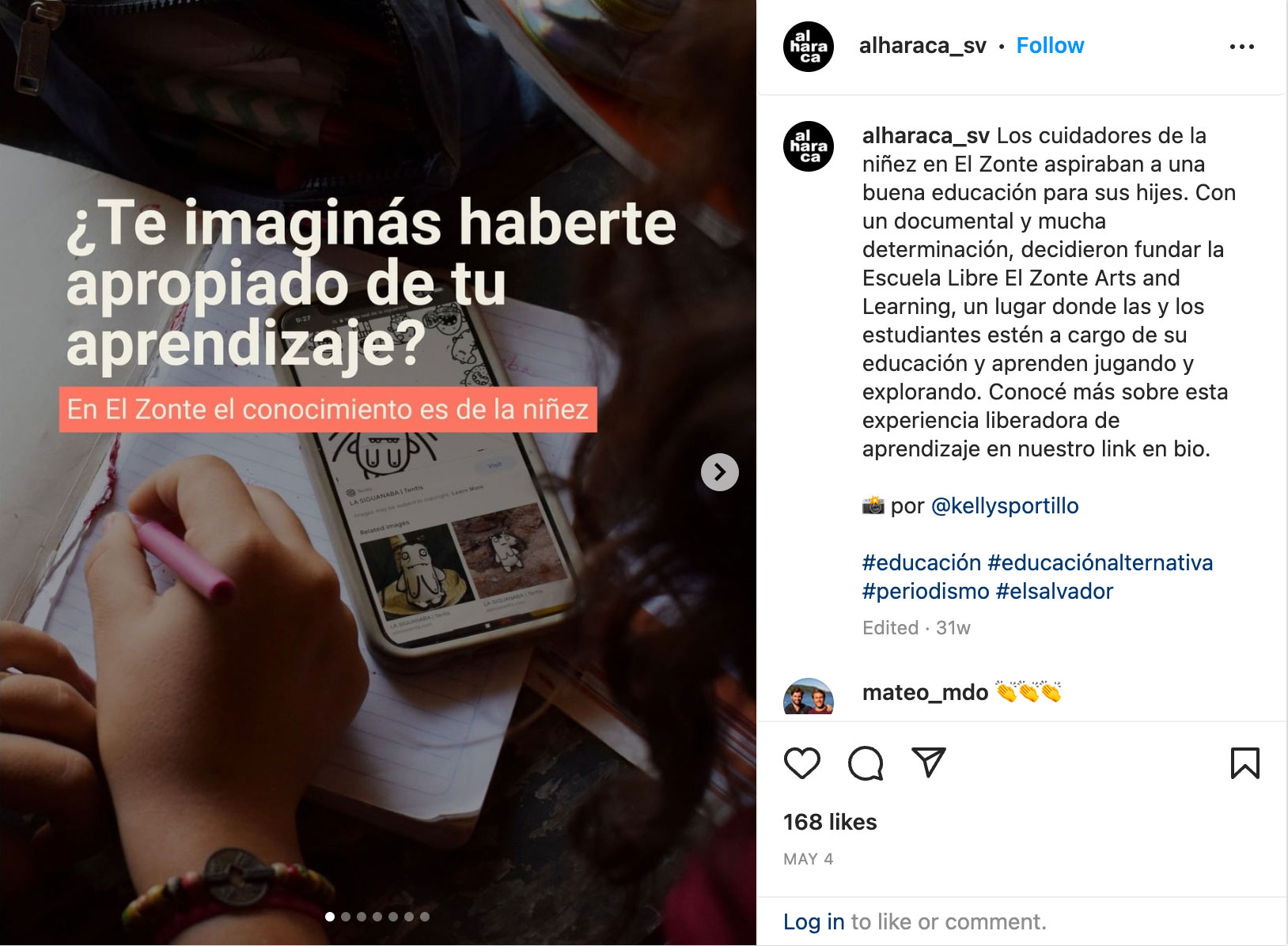
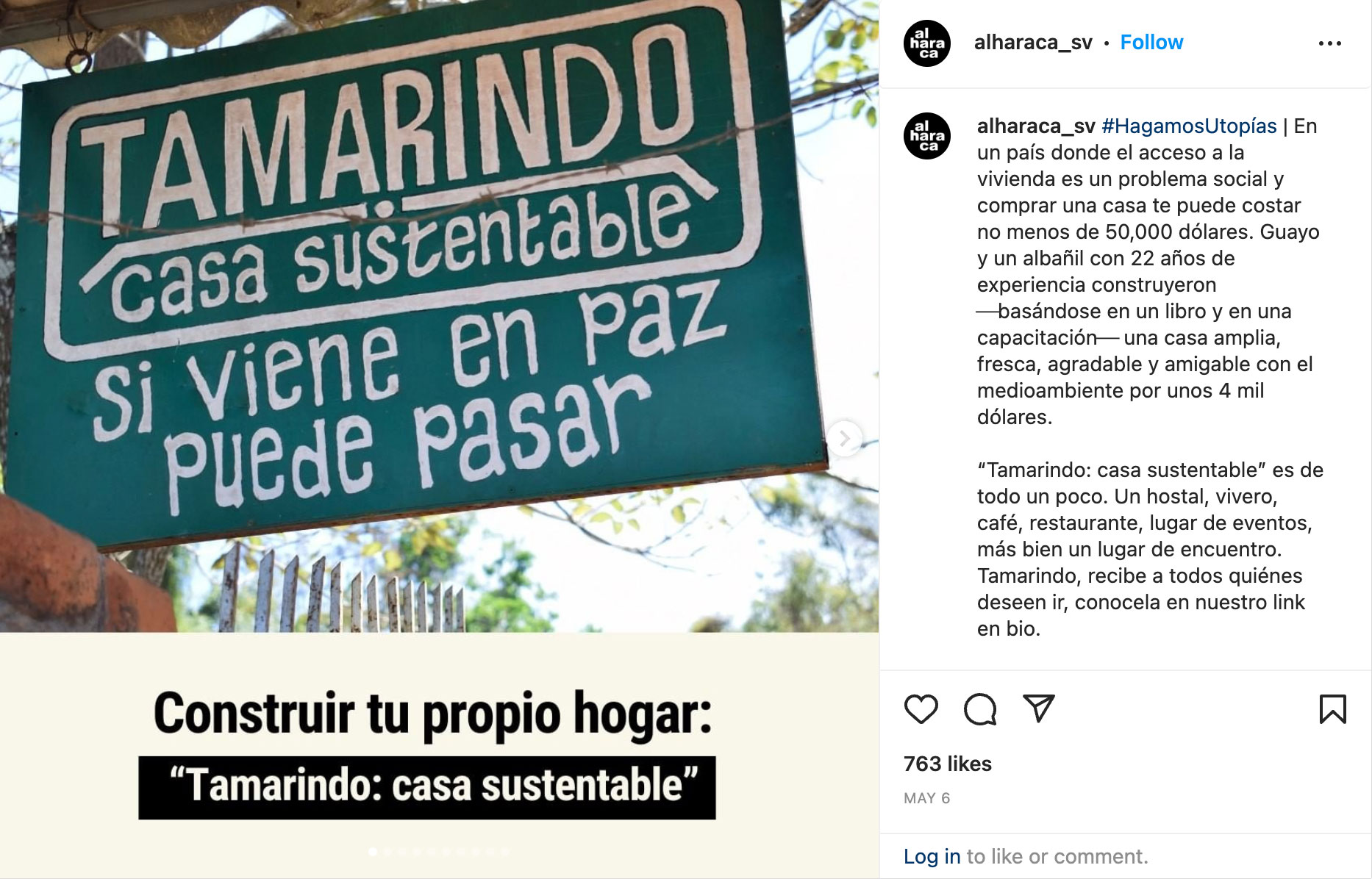
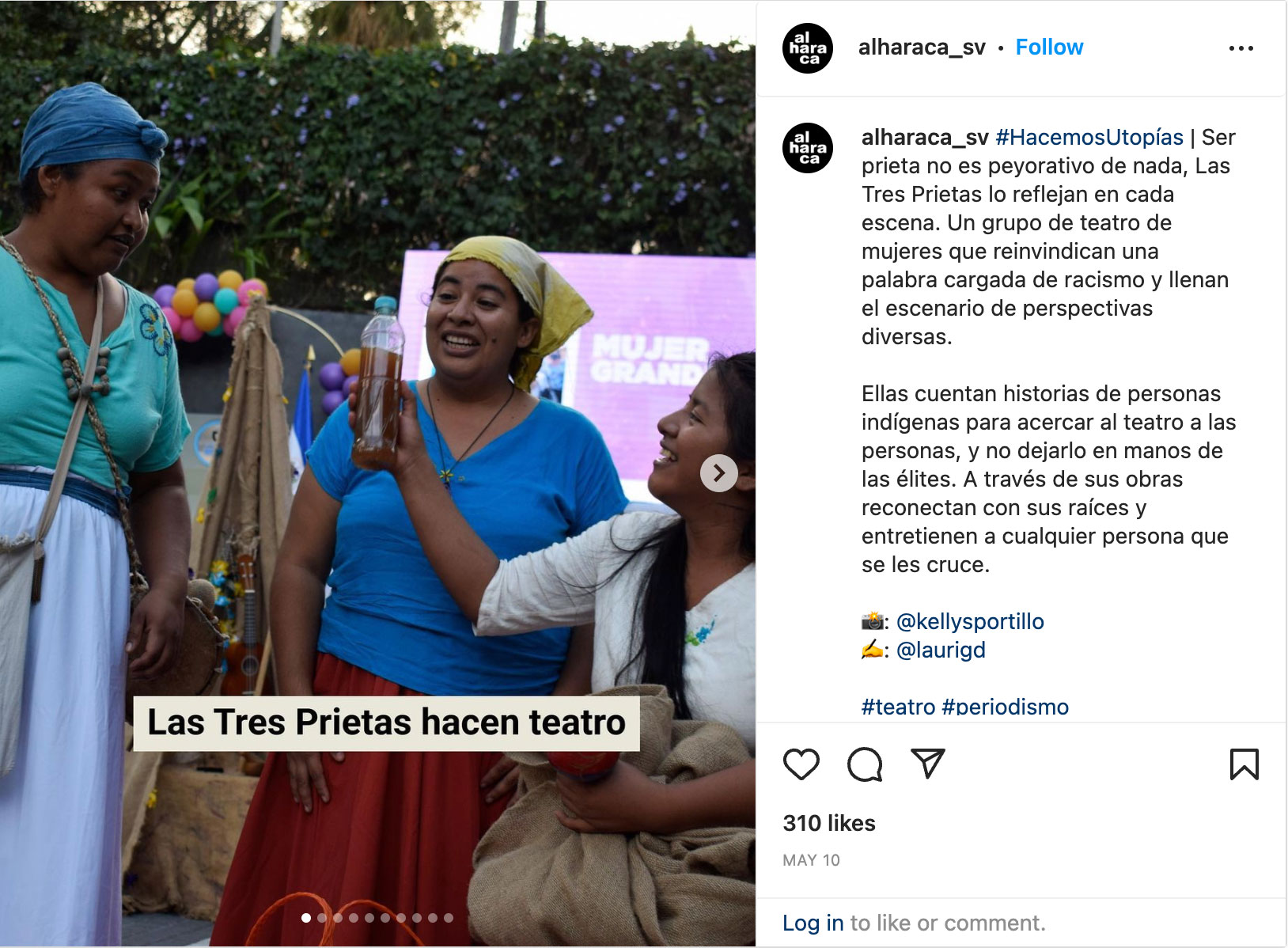
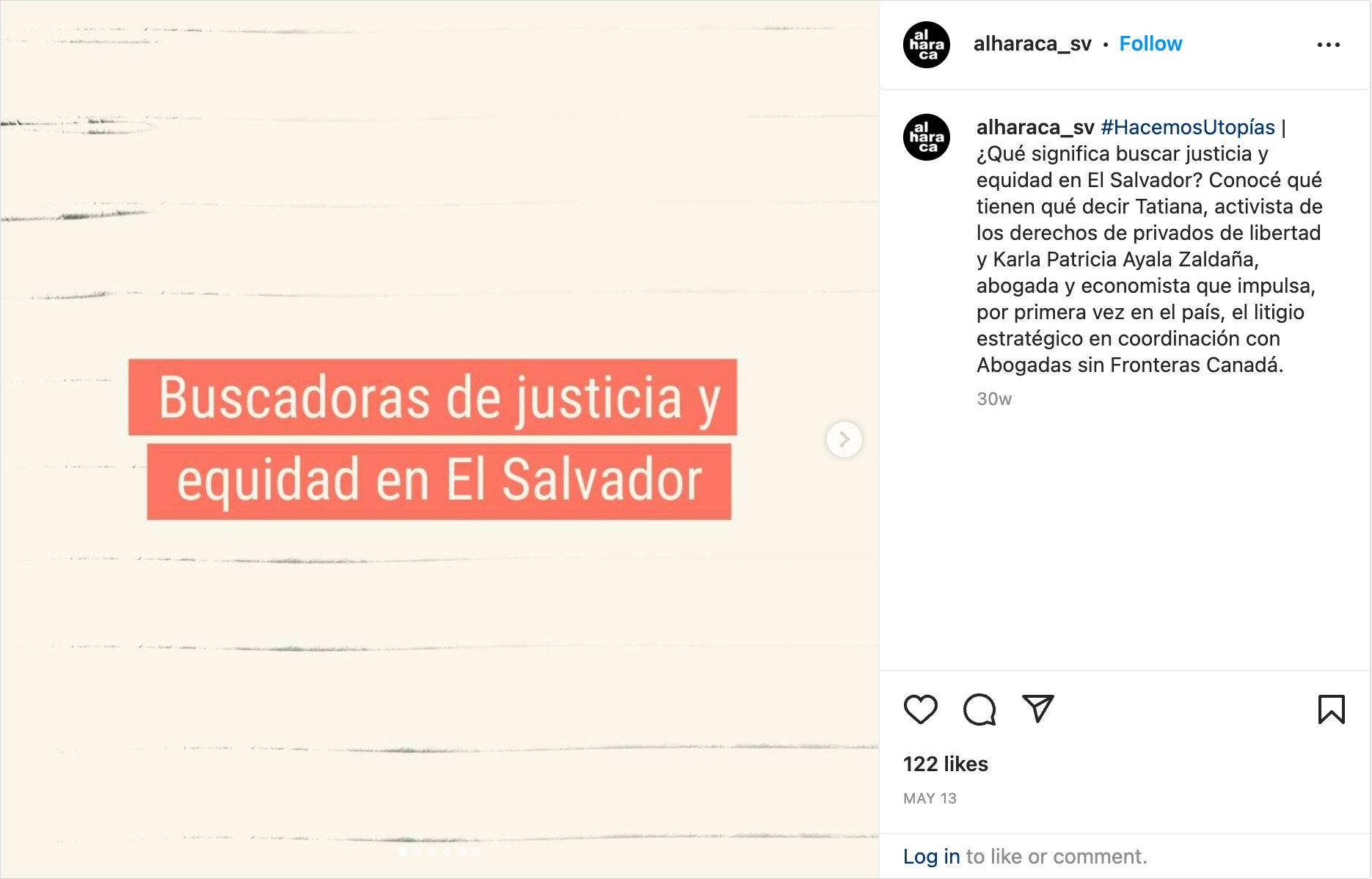
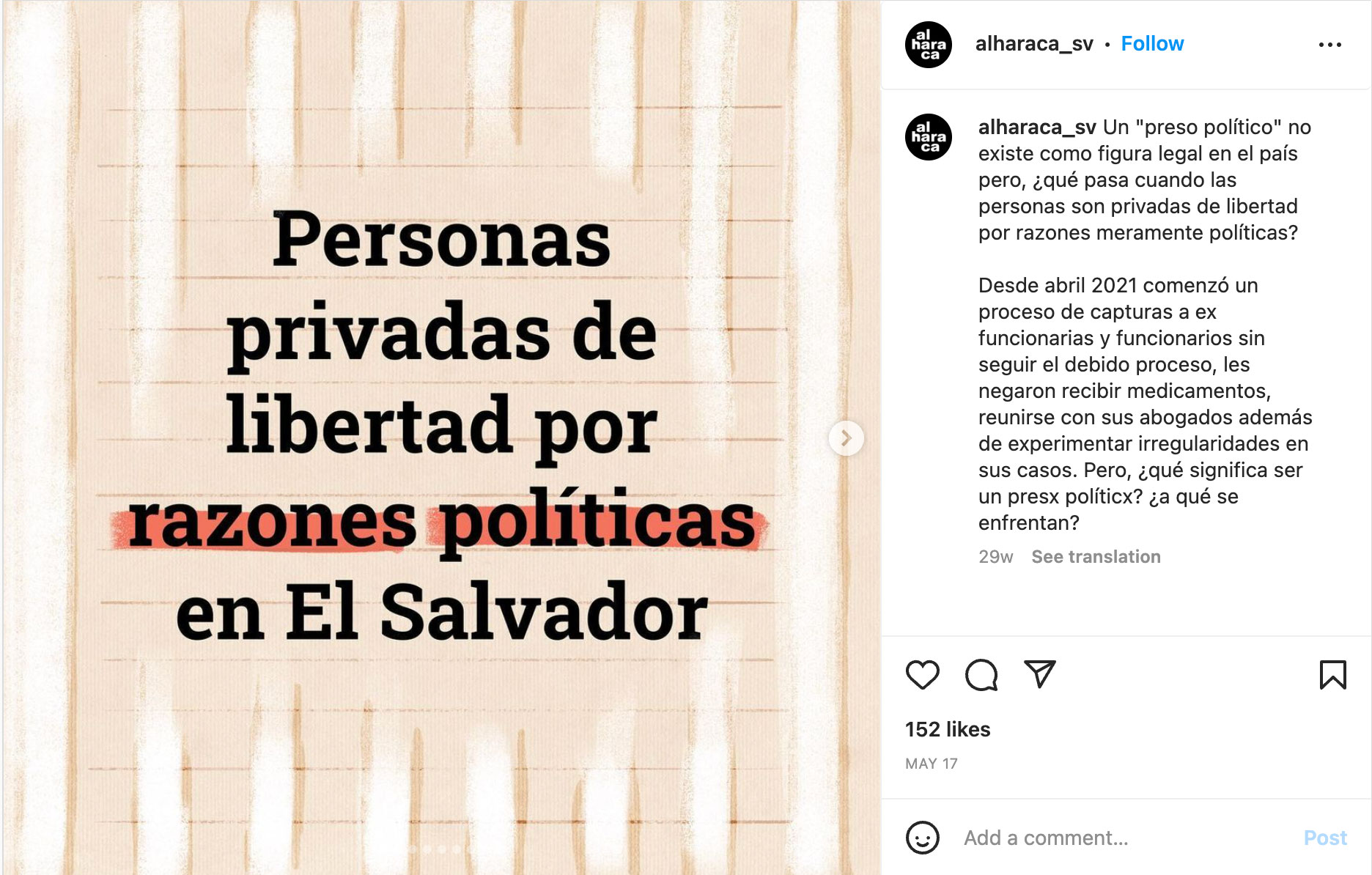
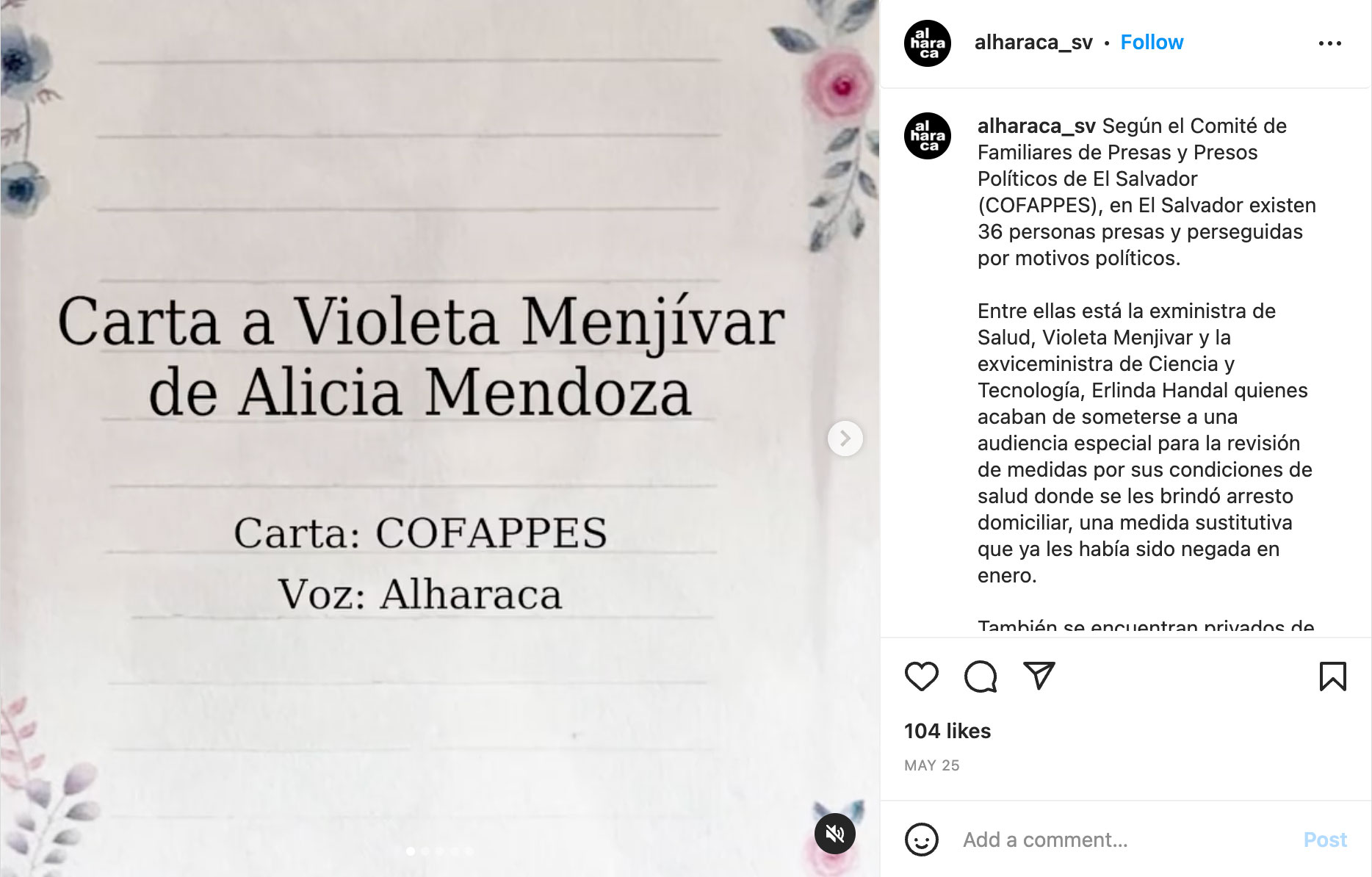
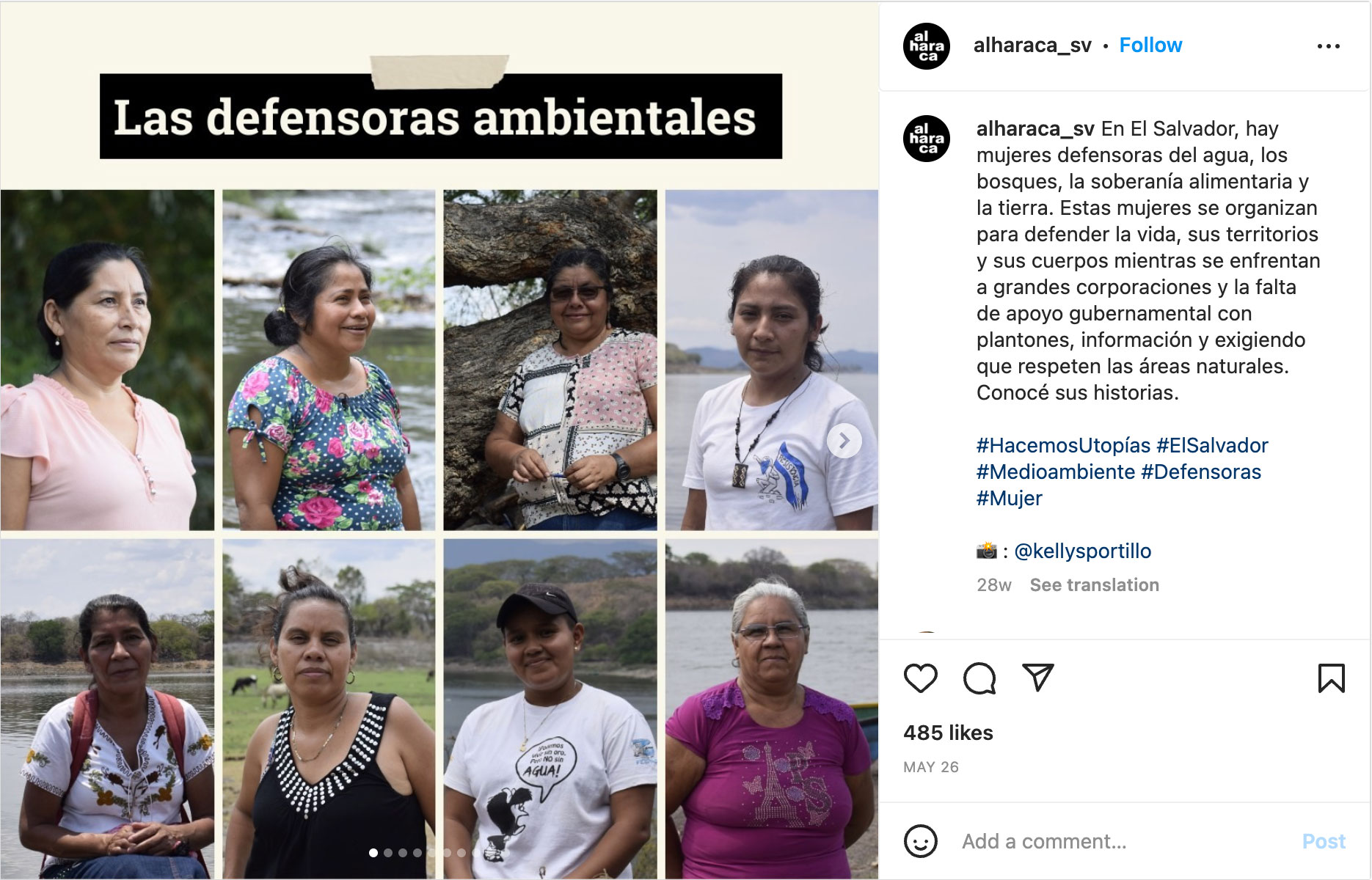
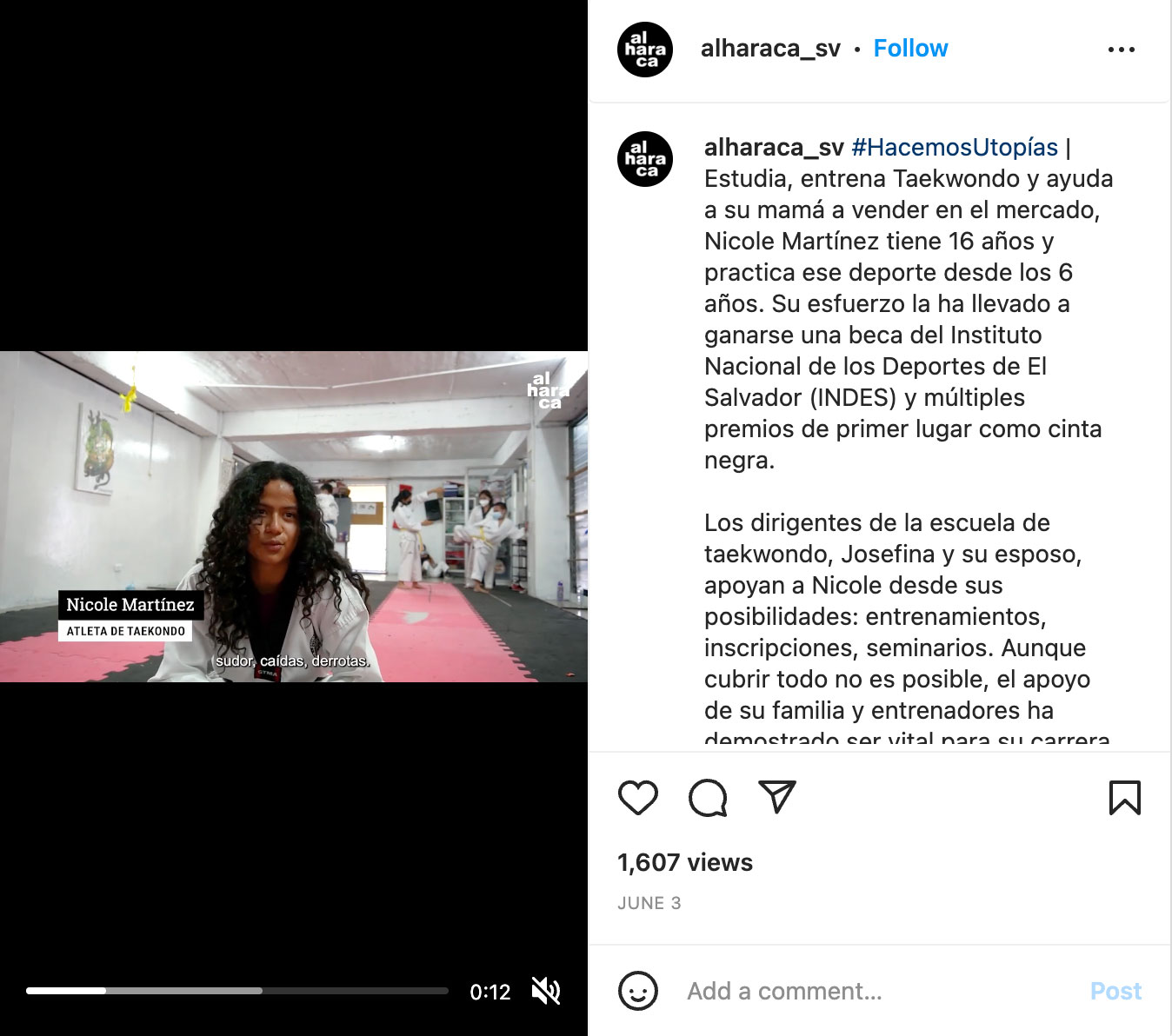
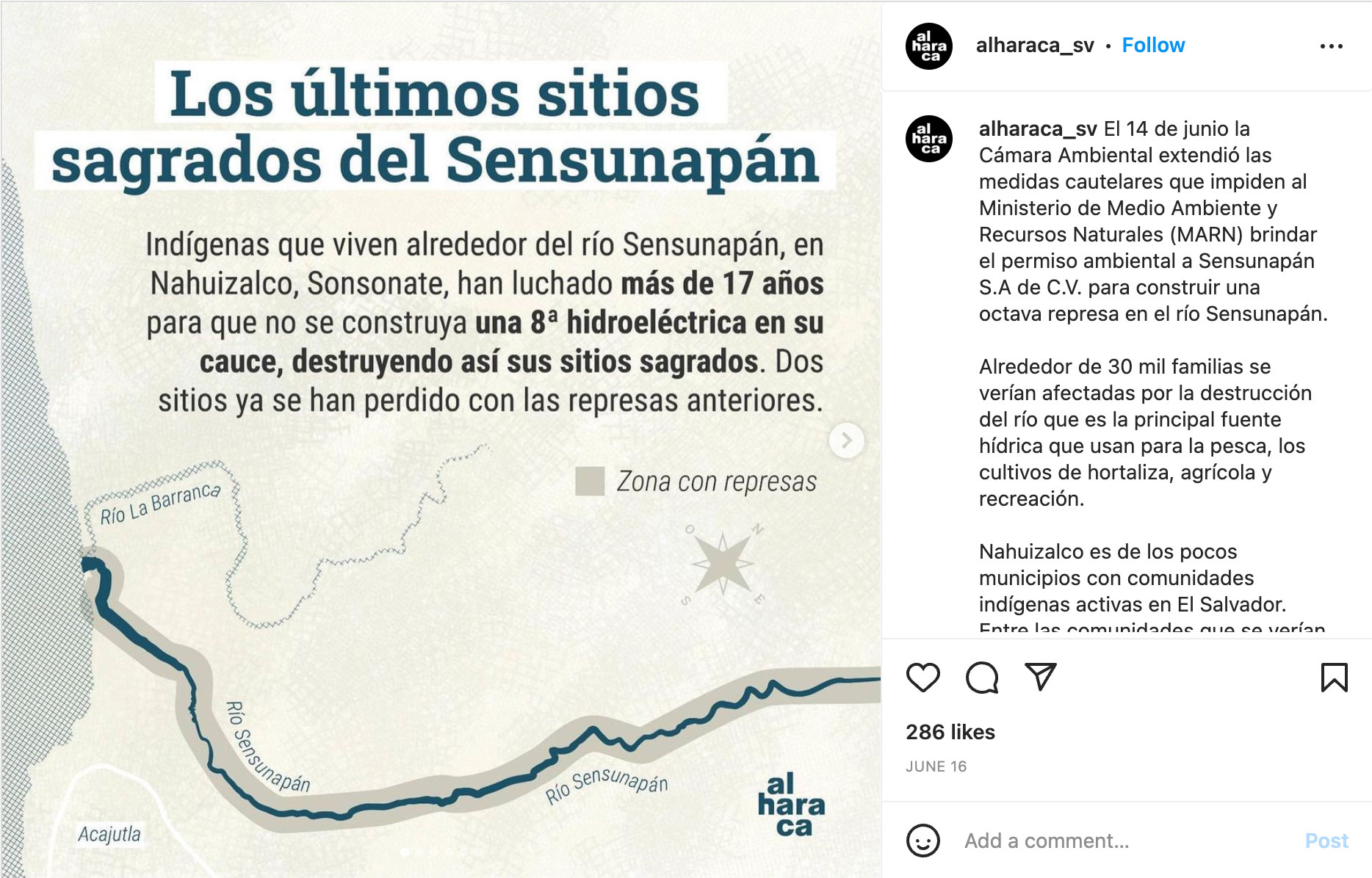
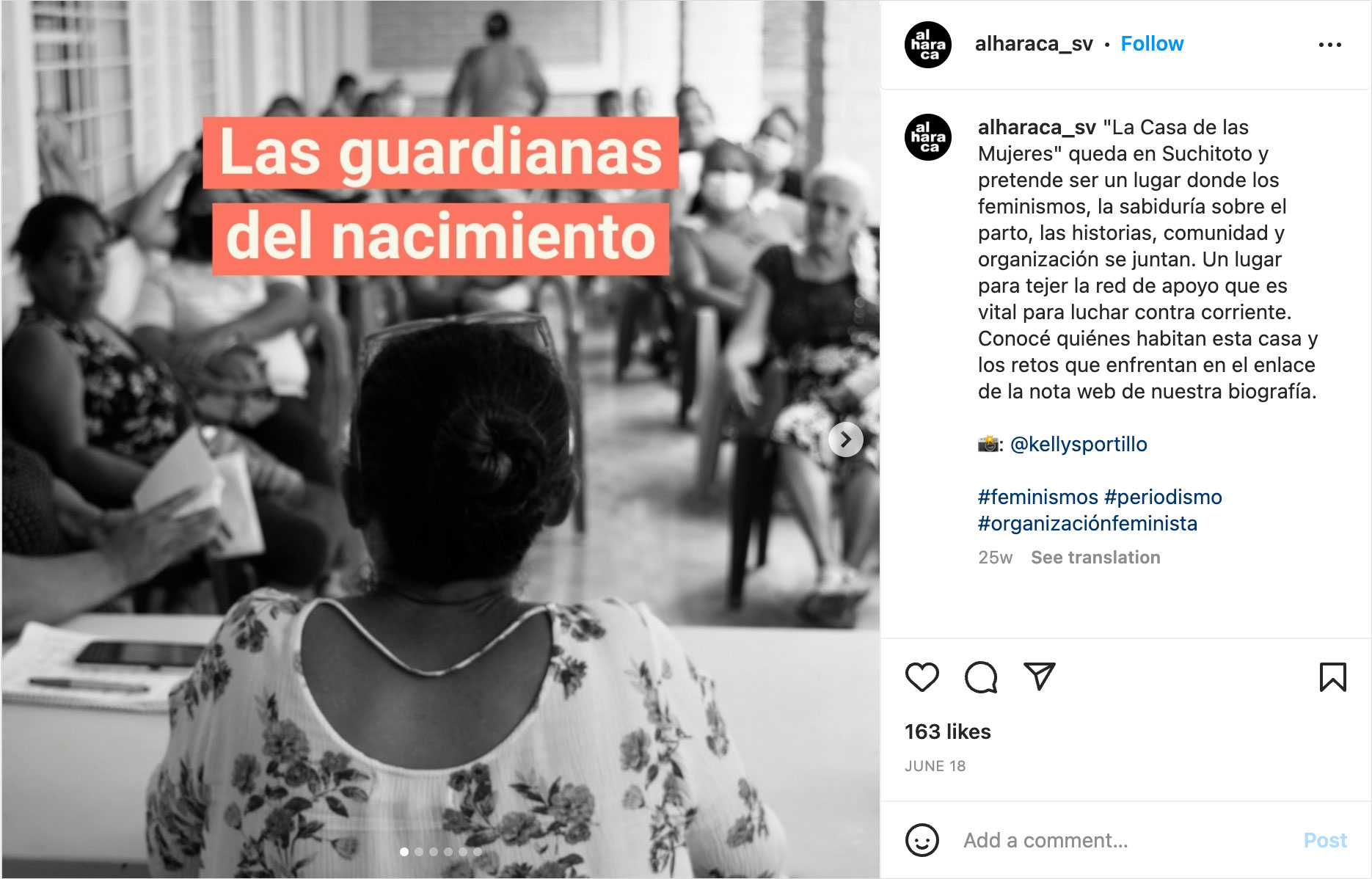
They generally received positive responses to the stories, with audiences linking them to their own experience, to a potential initiative they could replicate or to an aspiration for a better community. This is a clear guidance for how civil society stories can resonate with people.
Alharaca told us that the most successful stories were the ones shared by the actual protagonists of the story: “The people of the community are the ones who tell their story. It is a way of showing how we are all civil society.”
Telling different stories allowed us to reach new audiences. In this project, Alharaca didn’t just tell new stories, they used different storytelling formats and approaches too. This allowed them to reach people interested in sports, cooking and green living. These are people who potentially share civil society values but are less likely to engage in overtly political content. Yet engaging them with these stories gets them talking about our messages and potentially makes them more likely to defend civil society.
The insights from Alharaca allowed us to identify a new target audience segment: people who were not yet involved in demonstrations but who might be prepared to join a campaign to “build” civil society, rather than “fight” for it.
Stories showing civil society groups getting things done for their communities tended to generate above-average levels of (positive) engagement. Stories of projects that were helping local communities elicited comments like “We want that in our community.” In other words, once people saw what civil society could do for them, they wanted more of it in their communities, and in their lives.
This illustrates new narratives at work. People can only support things they know about. They can only demand things they know exist and are possible. In order for them to speak out in favor of civil society, they need to see what civil society looks like. Once people see civil society in action in communities that look like theirs, they are more likely to want the same in their own communities.
Key advice from Alharaca
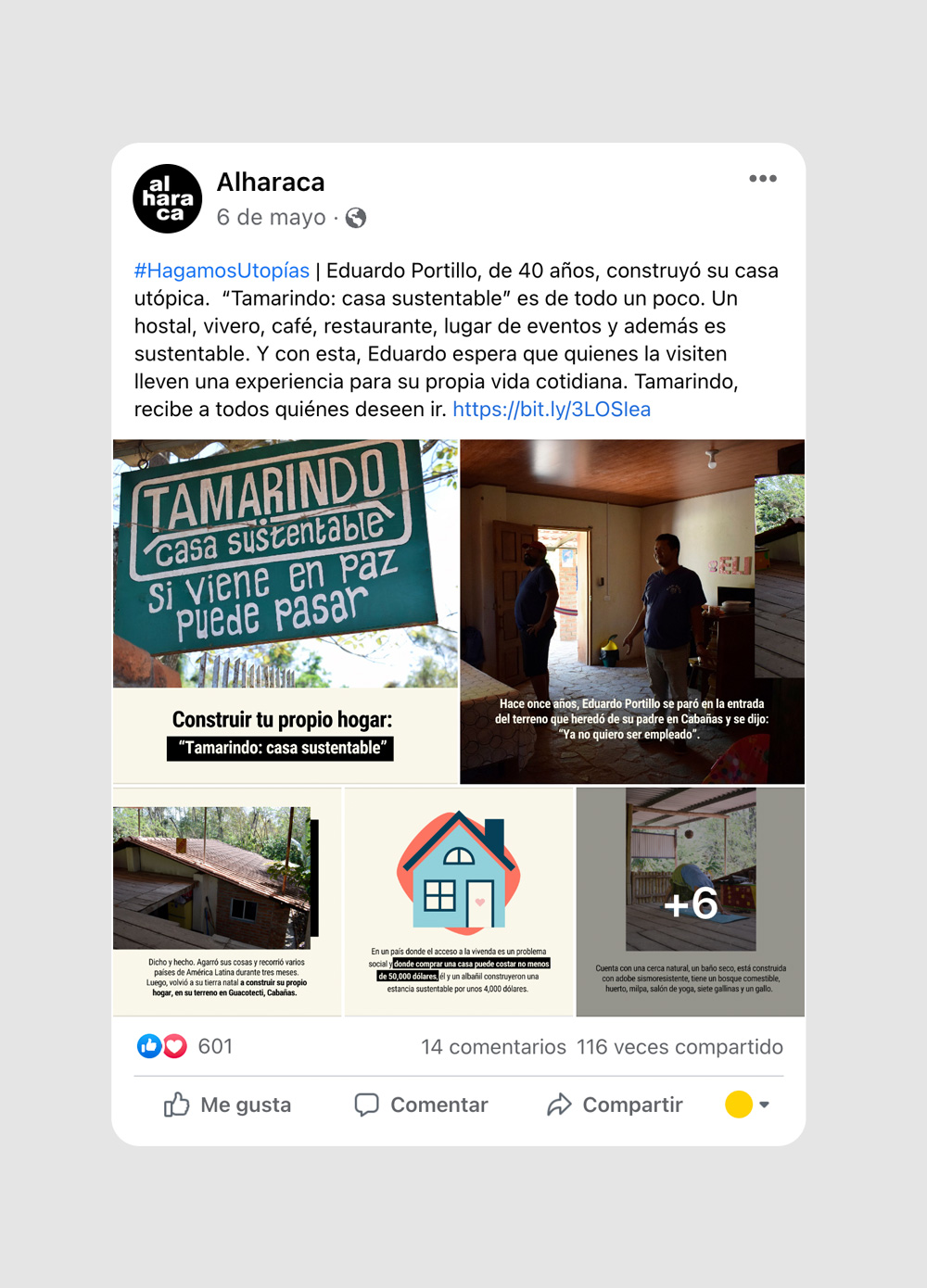
Places
If you want to reach a lot of people, tell stories of physical places using pictures to help your audience imagine themselves there.
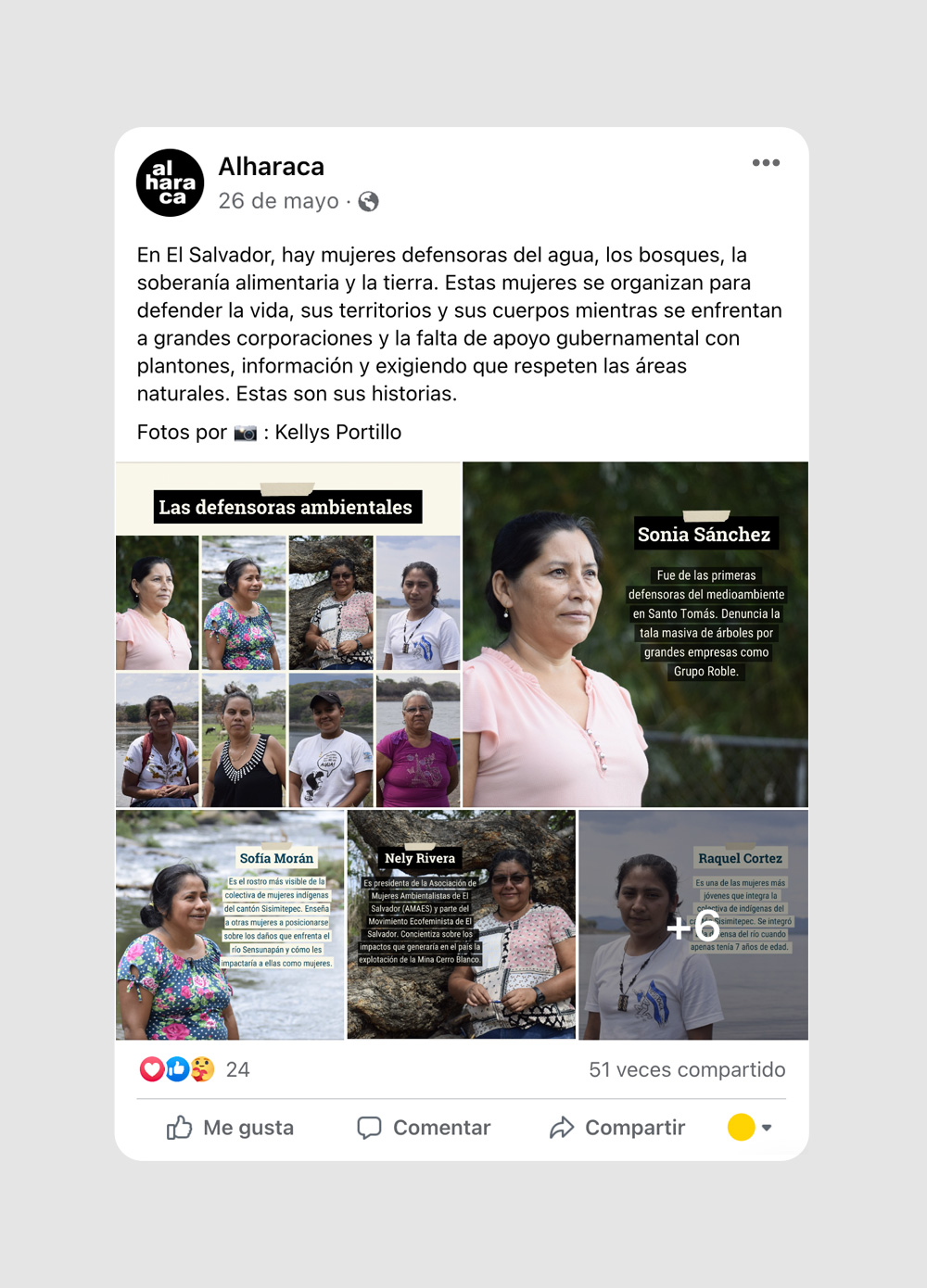
People
If you want to interact with people, show them faces from communities and tell personal stories.
A/B test and insight
We tested using the Alharaca content and found that stories of community groups performed best when combined with topline civil society messages. In one test, we ran several stories with similar messages. In the second test, we used one single story and ran it with several different messages. We tested themes of resistance, building, care and hope. Resistance and building performed strongest.
A very basic test showed that it was more effective to begin with a “shared values” message and then tell the civil society story, rather than the other way around.

Checklist for your A/B tests
-
One variable: The different posts you test against each other should be identical in all but one aspect. Otherwise you cannot be certain what explains the difference in performance. For example, if you are testing a slogan, everything else, from pictures to call to action should be the same. Or if you are testing a value, everything else should be the same. Same with calls to action.
-
Test all elements in your campaign: pictures, video thumbnail, words and post structure are all things you can refine with tests.
-
Constantly refine your content: You will find different kinds of content work with different audiences at different times in different places.
-
Cost per lead: There are several metrics for measuring success: You can combine them to make an overall score, but the simplest thing to measure is “price per lead”—how much it costs you for people to see the ad. The cheaper the ad the more effective it is.
Tools & tips
Learn more about the tools that you can use: